How the Chevening Network Connects Local Expertise to Global Policy
Read about how the Chevening network serves as a powerful bridge, connecting local expertise to global policy discussions, and how this dynamic exchange is shaping a more inclusive and informed approach to international relations.
At the British Chevening Alumni Association of Cambodia (BCAAC),
we often say that a scholarship is just the beginning. The true measure of our network’s impact is where our alumni go next—and more importantly, the voices they bring with them into the rooms where decisions are made.
A powerful example of this ecosystem in action is Ms. UNG Rong Phaltevy. As a community developer and advocate on Climate Change and Water, Sanitation, and Hygiene (WASH) and a 1st Generation Chevening ASEAN Scholar, her recent engagements perfectly illustrate how the Chevening experience empowers Cambodian youth to drive meaningful, large-scale change.
Elevating the Local Crisis to the Global Stage
Before you can discuss effective policy, you have to understand the human cost of the problem. As a dedicated youth leader and climate advocate, Ms. Tevy recently brought Cambodia’s climate narrative to one of the most prominent stages in the world.
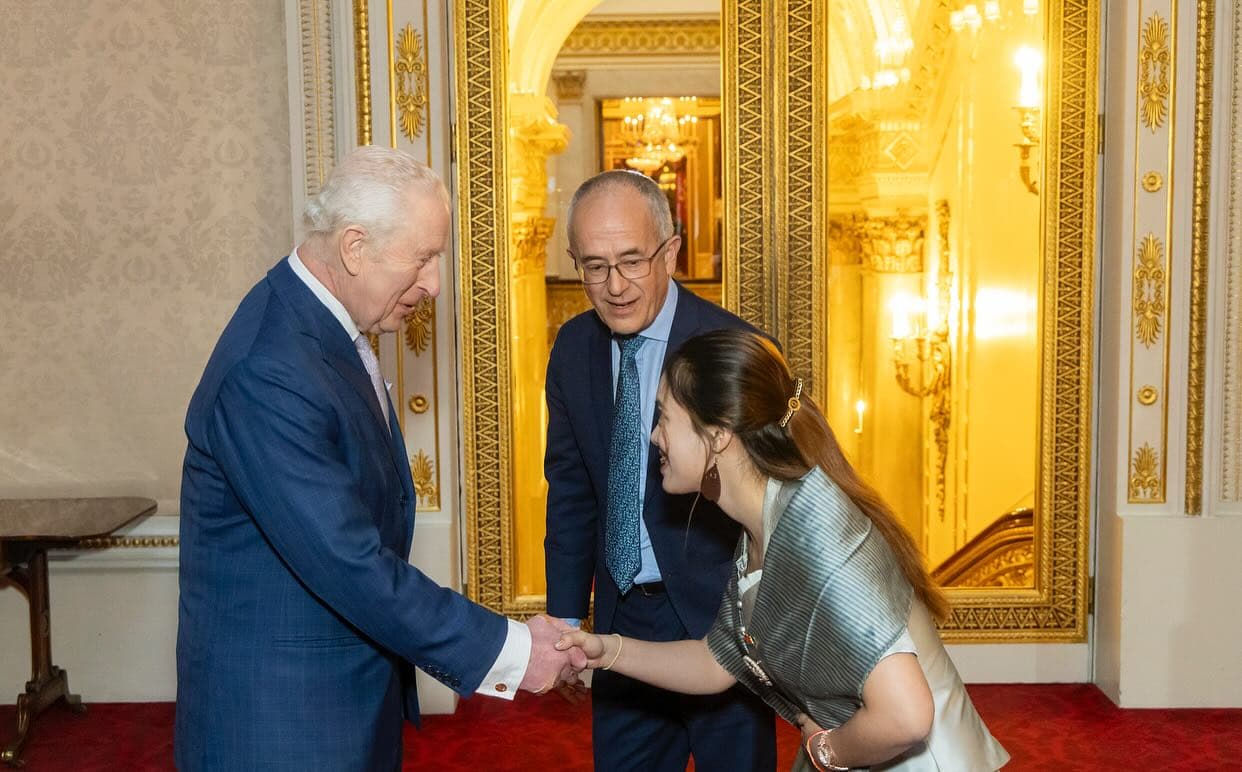
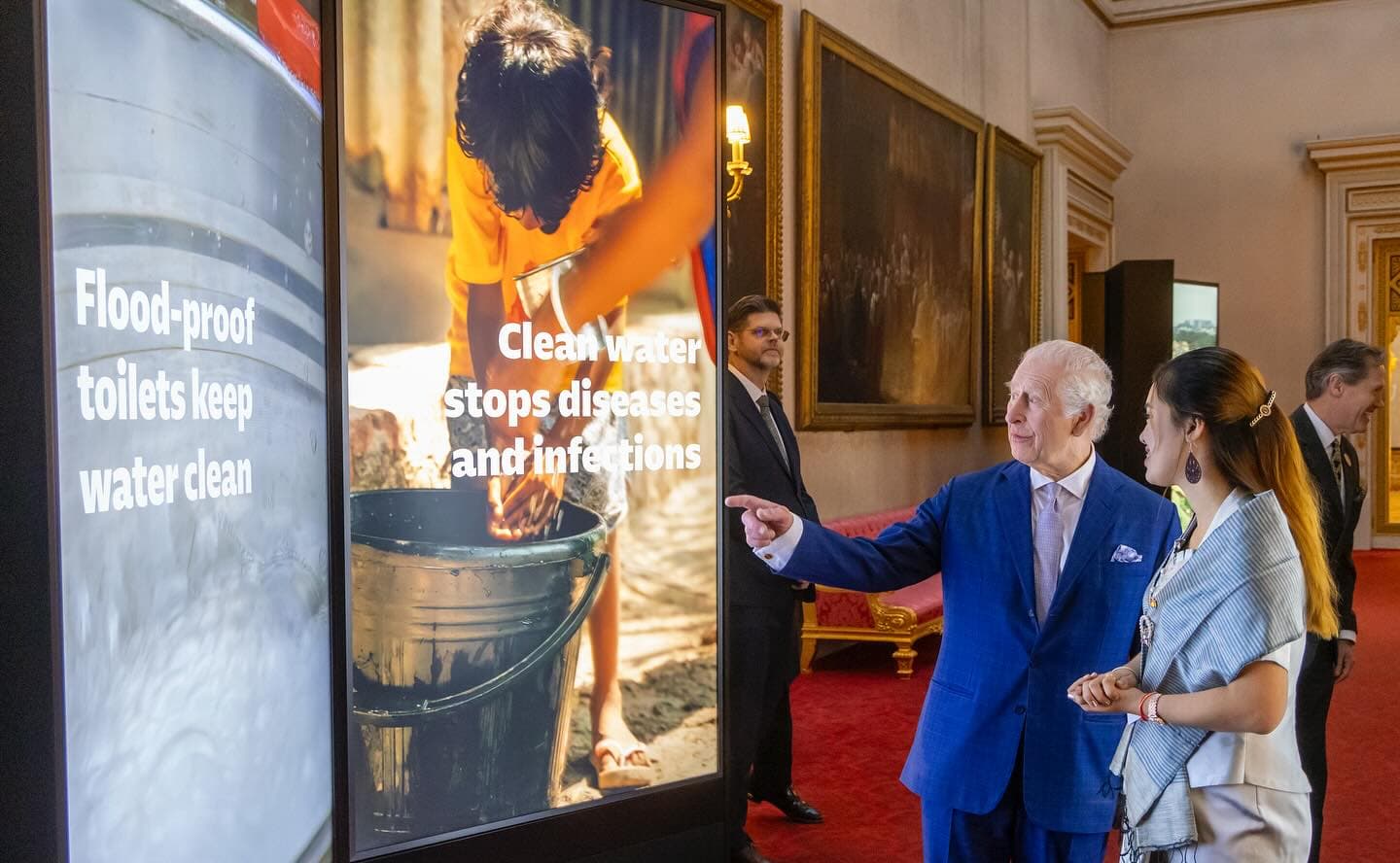
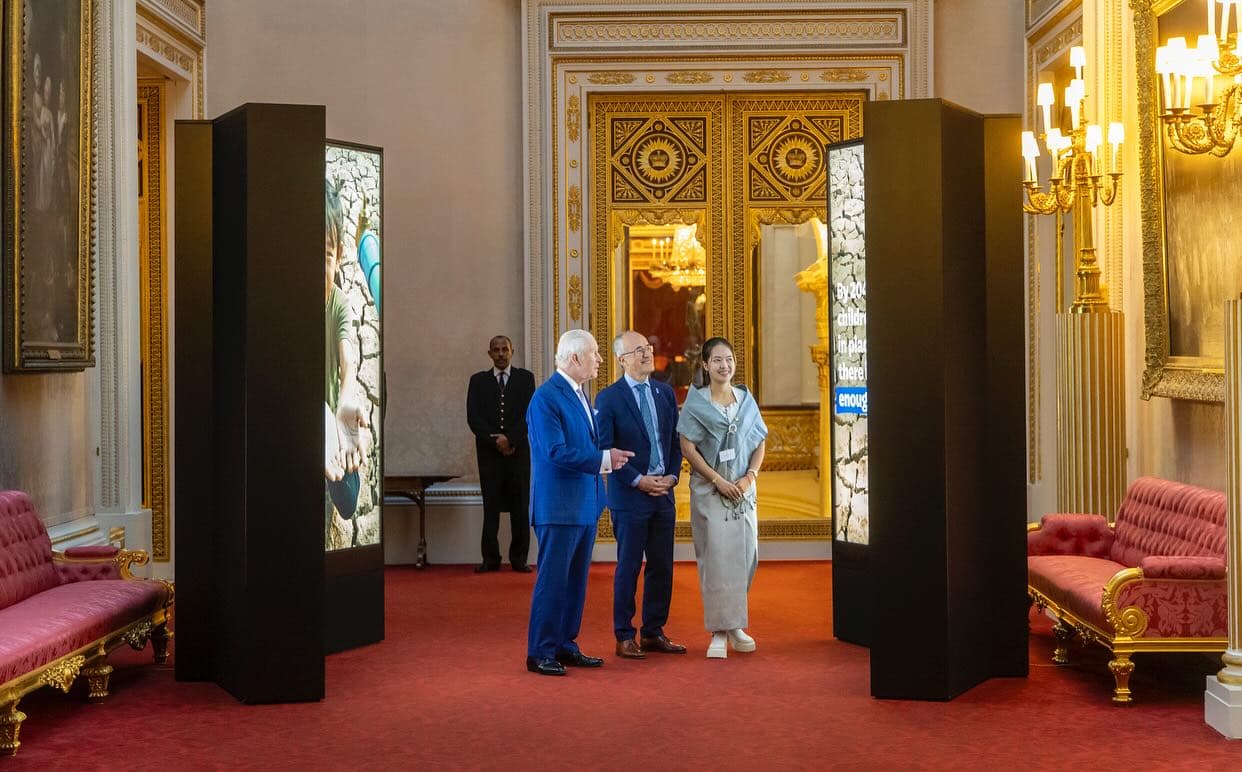
On March 25th, she had the rare honor of representing Cambodian youth at the Water and Climate Reception at Buckingham Palace, hosted by His Majesty King Charles III in support of WaterAid UK.
During an immersive exhibition, she delivered a stark and urgent message to global leaders: the climate crisis is, fundamentally, a water crisis. Drawing on her deep involvement with youth-led solutions and WaterAid Cambodia, she highlighted how weather-related disasters have surged by 400% over the last fifty years. By communicating the devastating, on-the-ground impacts of floods and droughts, she made it clear that sustainable water solutions are a matter of survival and adaptation for vulnerable communities.
From Advocacy to Action: The 5th ASEAN-UK Senior Officials’ Meeting
Global advocacy is vital, but the Chevening mandate is to turn that awareness into structural change.
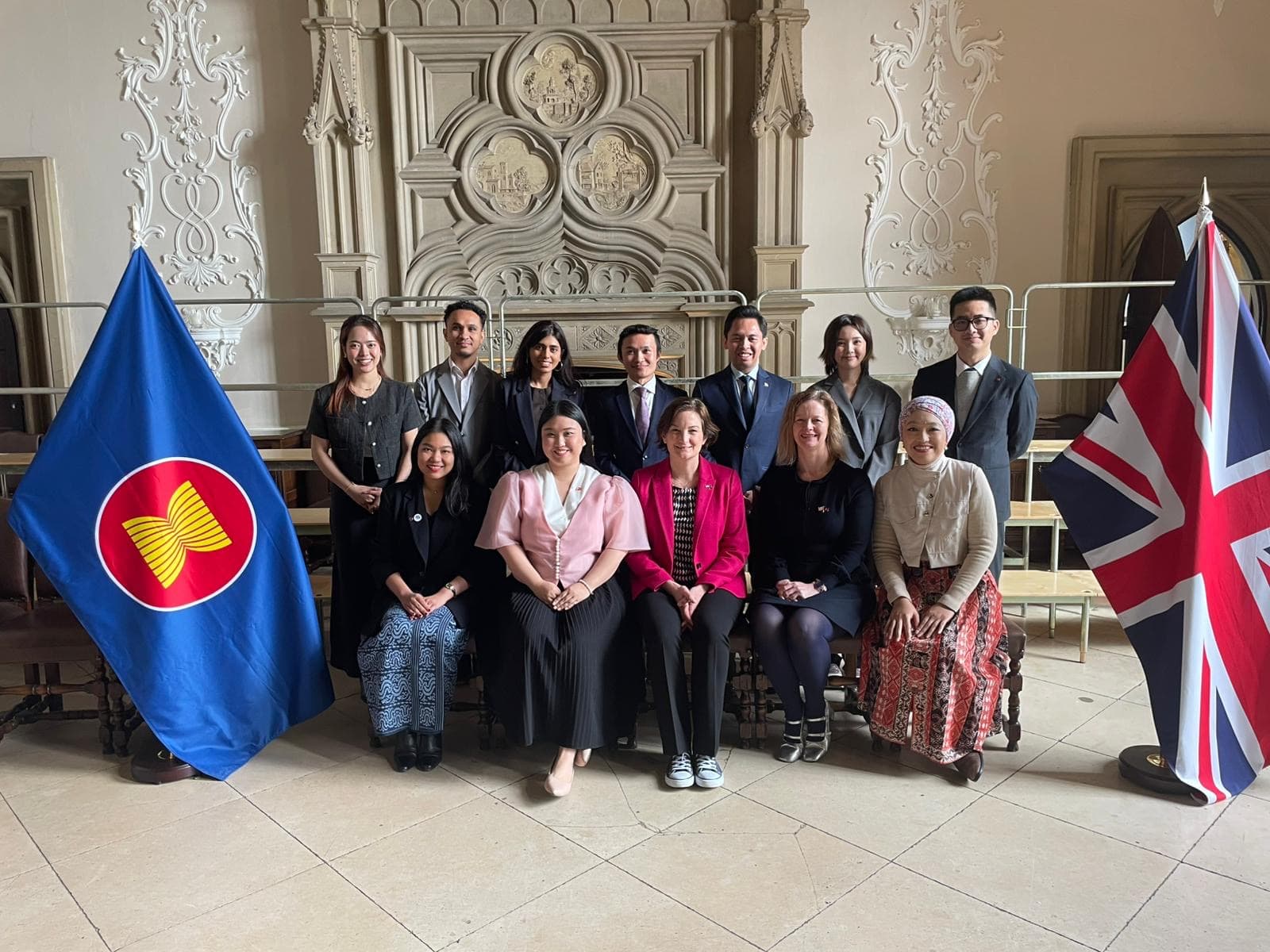
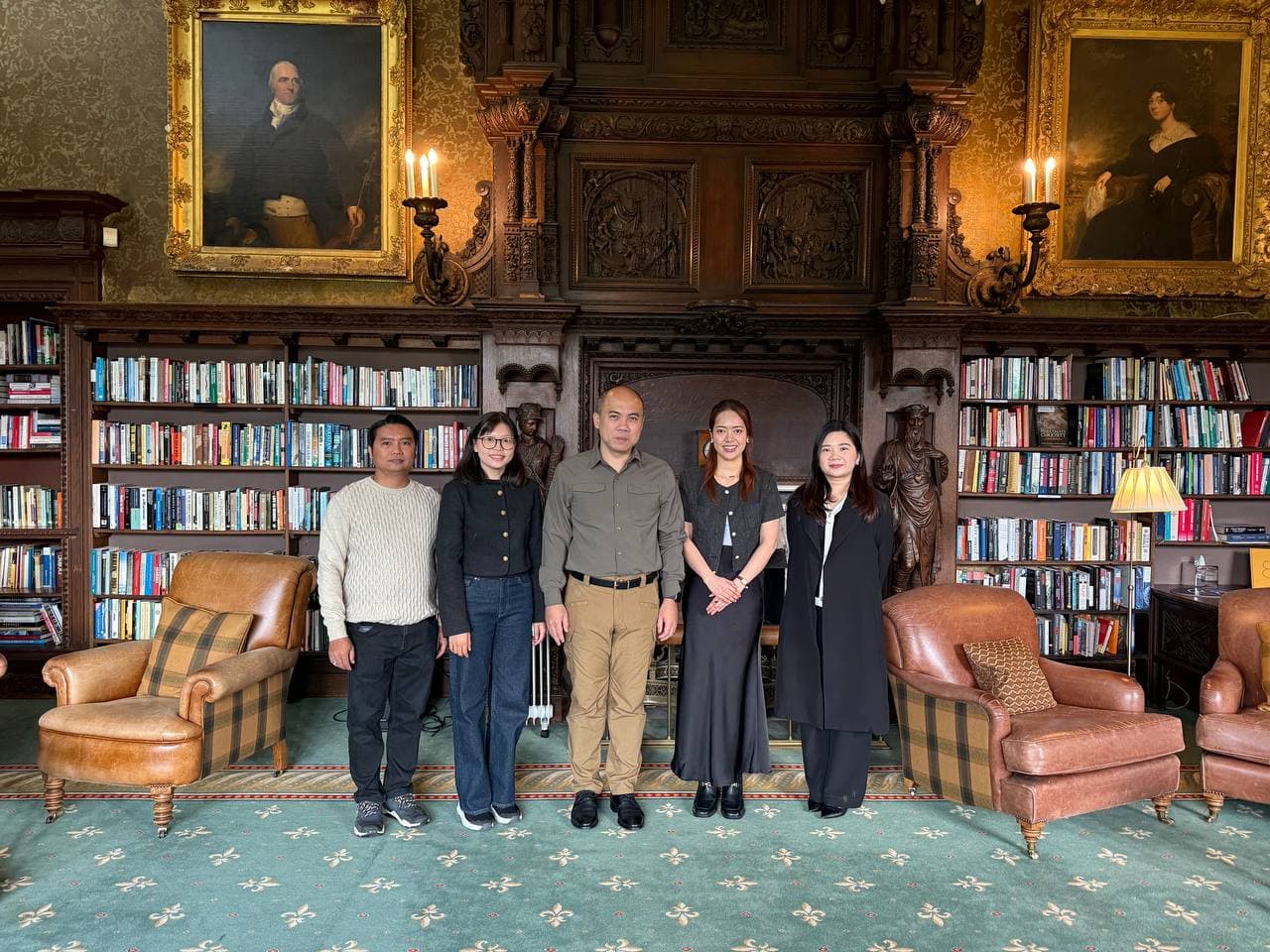
This transition from advocacy to policy was clearly demonstrated on April 1st at the 5th ASEAN-UK Senior Officials’ Meeting (AUKSOM) in Wilton Park, UK. As the UK and ASEAN marked the fifth anniversary of their Dialogue Partnership, the event featured a dedicated "conversation with ASEAN Chevening Scholars on the future of ASEAN-UK relations."
Invited to this exclusive dialogue, Ms. Tevy shared practical, forward-thinking ideas for the upcoming UK-ASEAN workplan. Rather than focusing just on top-down government directives, she advocated for a much more grounded approach:
- The Economics of Empowerment: Ms. Tevy strongly advocates that true climate resilience must start at the grassroots level. She operates on the principle that "resilient communities build resilient economies," aligning local empowerment directly with the broader sustainable development interests of both the UK and ASEAN.
- Closing the Policy Gap: She promotes dynamic frameworks that merge "bottom-up" community action with "top-down" government mandates, ensuring climate strategies are actively and inclusively implemented.
- Youth-Led Green Transitions: Moving beyond traditional approaches, she champions nature-based solutions and the vital need to place young professionals at the forefront of the region’s green transition.
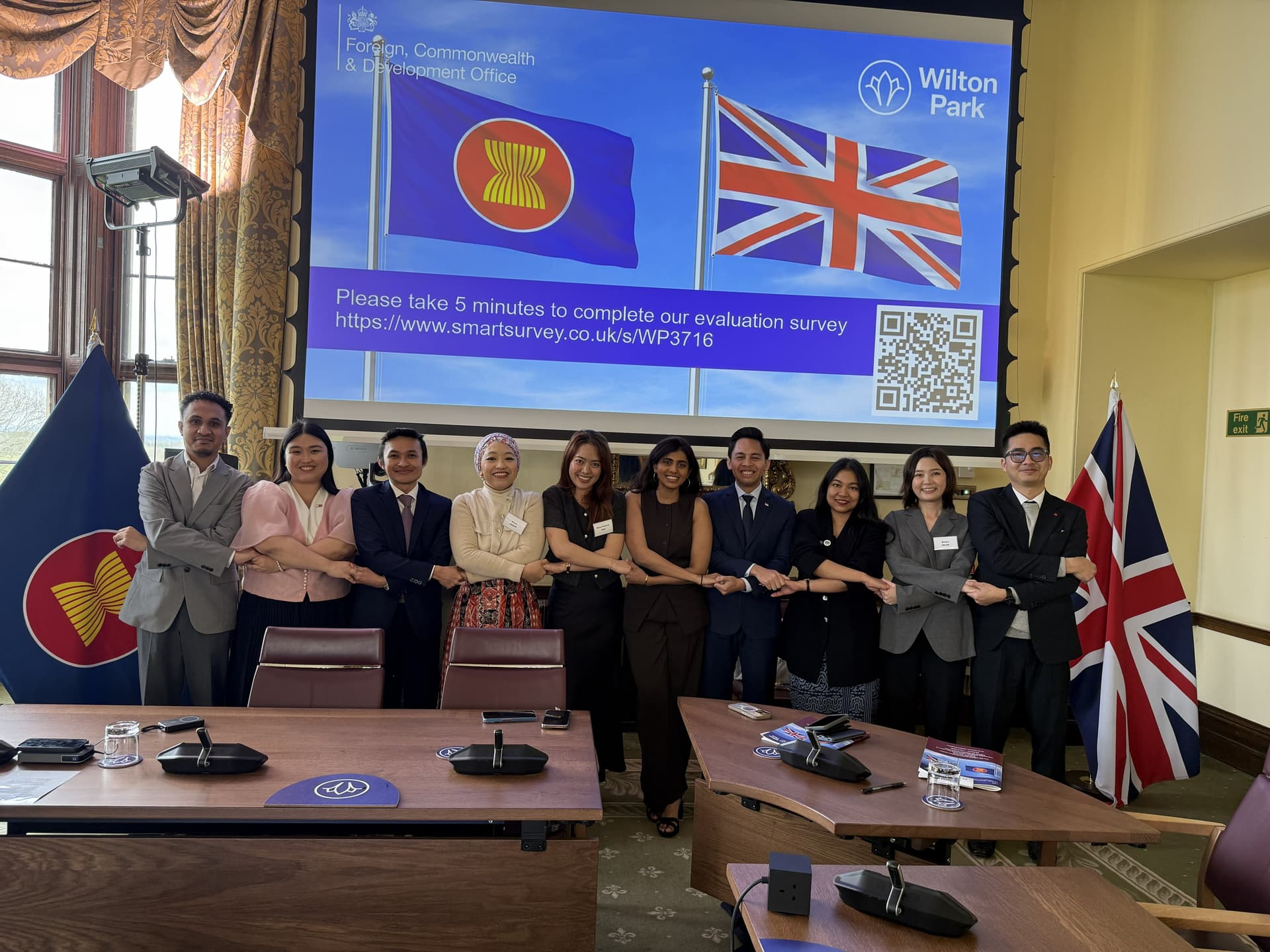
This impact at Wilton Park was not limited to a single voice; it reflected the broader strength of the Cambodian Chevening community. Alongside Ms. Tevy’s policy contributions, the 5th AUKSOM also provided a valuable platform for fellow Chevening Alumna, Ms. Ung Chanpisey, to engage directly with H.E. Kung Phoak, Secretary of State of Cambodia's Ministry of Foreign Affairs and International Cooperation. Having multiple Cambodian scholars actively participating in such high-level diplomatic dialogues highlights how our network successfully bridges the gap between civil society advocacy and national diplomacy.
A Catalyst for National Transformation
The journeys of our alumni—from grassroots advocacy in Cambodia, to briefing royalty, and engaging directly with Senior Officials shaping the ASEAN-UK Dialogue Partnership—are a powerful reflection of the BCAAC community as a whole. Our association is more than a network of graduates; it is a catalyst for national and regional transformation. We are incredibly proud to cultivate leaders like Ms. Tevy and Ms. Chanpisey, who use their world-class education and global platforms to ensure that when international policies are drafted, the realities of Cambodian communities are heard and understood.
This is the true impact of the Chevening network: turning education into action, and turning local advocates into global leaders.